
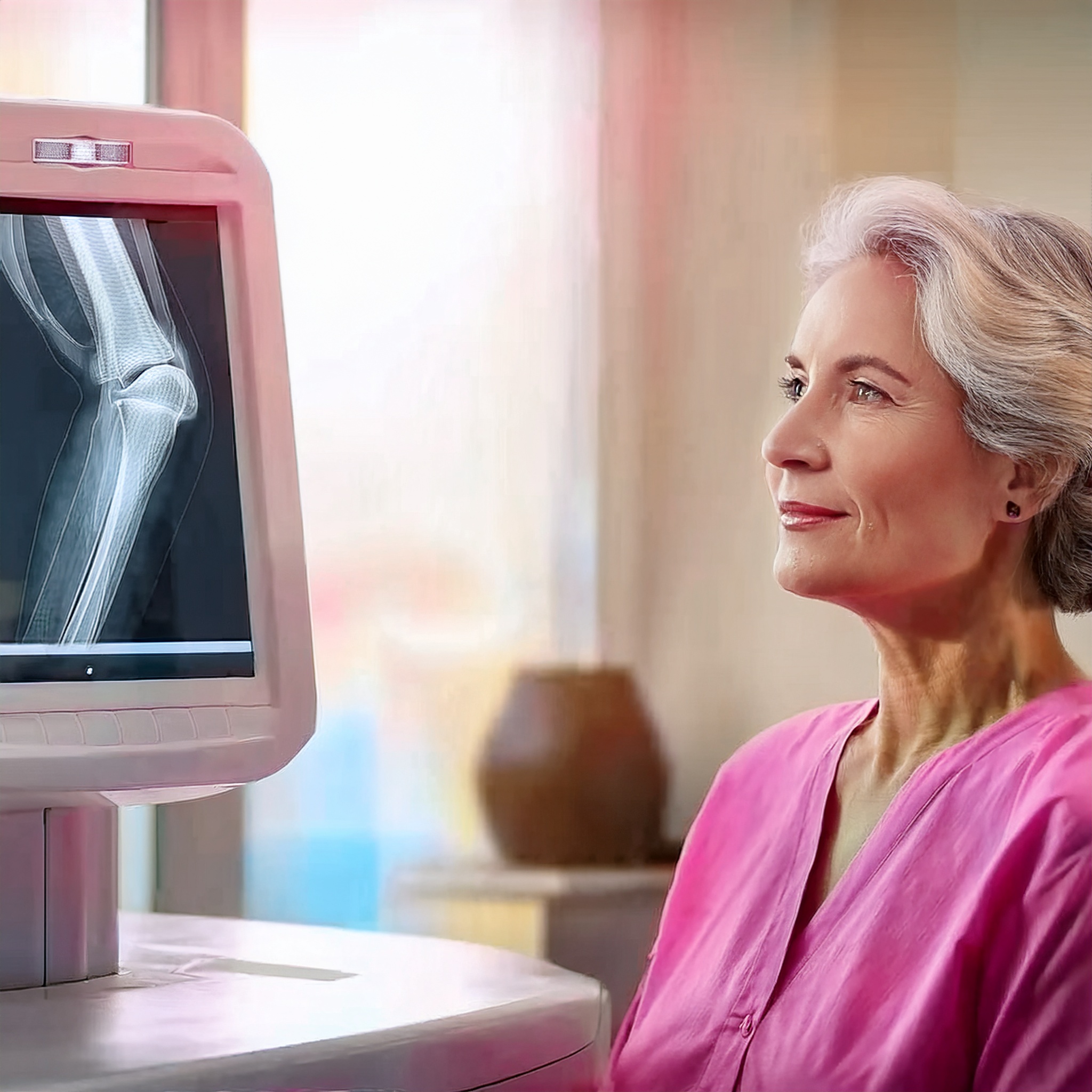
Osteoporosis affects millions worldwide, silently weakening bones until a fracture occurs. This comprehensive guide explores what osteoporosis is, how it’s diagnosed, and the most effective strategies for prevention and management.
What is Osteoporosis?
Osteoporosis is a chronic condition characterized by decreased bone density and deterioration of bone tissue, leading to fragile bones and an increased risk of fractures. The condition occurs when bone resorption outpaces bone formation, causing bones to become porous and brittle. While osteoporosis can affect anyone, it is most common in postmenopausal women and older adults.
Early detection and proactive management of osteoporosis are key to preventing fractures and maintaining mobility and quality of life as you age.
Recognizing Osteoporosis: Signs and Symptoms
Osteoporosis is often referred to as a “silent disease” because bone loss typically occurs without noticeable symptoms until a fracture happens. However, several signs may indicate the presence or progression of osteoporosis:
Early Stages of Osteoporosis
- No noticeable symptoms
- Gradual bone thinning that goes undetected
As Osteoporosis Progresses
- Frequent fractures: Especially of the hip, wrist, or spine, often from minimal trauma
- Back pain: May be caused by fractured or collapsed vertebrae
- Loss of height over time: Due to spinal compression
- Stooped posture: Also known as kyphosis or “dowager’s hump”
- Limited mobility: Reduced independence following an osteoporosis-related fracture
Because osteoporosis-related fractures can significantly impair quality of life and independence, regular screening is essential for individuals at risk.

Diagnosing Osteoporosis
Osteoporosis is diagnosed based on an evaluation of risk factors, clinical history, and bone mineral density (BMD) testing. Common diagnostic tools for osteoporosis include:
- DEXA (Dual-Energy X-ray Absorptiometry) Scan: The gold standard for measuring BMD, typically at the spine and hip
- T-score: A DEXA scan result that compares bone density to a healthy young adult’s. A T-score of -2.5 or lower indicates osteoporosis
- FRAX Score: A tool that estimates the 10-year risk of an osteoporotic fracture based on BMD and other risk factors
- Blood tests: May be used to rule out other causes of bone loss or monitor osteoporosis treatment effectiveness
Early diagnosis of osteoporosis enables timely intervention to reduce fracture risk and preserve bone health.
Causes and Risk Factors for Osteoporosis

Osteoporosis results from an imbalance between bone resorption and bone formation. Several factors can increase your risk of developing osteoporosis:
Non-Modifiable Osteoporosis Risk Factors
- Aging
- Female sex, especially postmenopausal women
- Family history of osteoporosis or fractures
- Small body frame or low body weight
Modifiable Osteoporosis Risk Factors
- Low calcium and vitamin D intake
- Sedentary lifestyle
- Smoking and excessive alcohol consumption
- Prolonged use of certain medications (e.g., corticosteroids, anticonvulsants)
- Hormonal imbalances (e.g., low estrogen or testosterone)
- Medical conditions (e.g., rheumatoid arthritis, thyroid disorders, eating disorders)
A comprehensive approach to risk assessment is essential to identify individuals who may benefit from osteoporosis screening and preventive measures.
Medical Management of Osteoporosis
While osteoporosis cannot be cured, it can be effectively managed to reduce the risk of fractures and maintain bone health. Management strategies for osteoporosis include:
- Calcium and Vitamin D Supplementation: Supports bone strength and helps prevent further bone loss in osteoporosis patients
- Weight-Bearing and Resistance Exercises: Improve bone density, strength, and balance to prevent falls and fractures
- Medications for Osteoporosis:
- Bisphosphonates (e.g., alendronate, risedronate): Reduce bone resorption
- Denosumab: A monoclonal antibody that inhibits bone breakdown
- Teriparatide and abaloparatide: Stimulate new bone formation
- Selective estrogen receptor modulators (SERMs) and hormone replacement therapy: May be considered in some postmenopausal women with osteoporosis
- Fall Prevention: Home modifications, vision checks, balance training, and mobility aids can significantly reduce fall and fracture risk for those with osteoporosis
Treatment for osteoporosis should be tailored to the individual’s fracture risk, age, lifestyle, and personal preferences.
Advocacy and Resources for Osteoporosis
Living with osteoporosis involves proactive care, but support is available through several organizations dedicated to bone health and patient education:
- International Osteoporosis Foundation (IOF): Supports global awareness, research, and prevention strategies for osteoporosis
- American Society for Bone and Mineral Research (ASBMR): A professional society supporting bone research, including osteoporosis, with patient advocacy initiatives and Bone Health Alliance partnerships
- Bone Health and Osteoporosis Foundation (BHOF): Promotes research, policy advocacy, and public health education on osteoporosis
These organizations provide valuable tools for individuals, caregivers, and healthcare professionals navigating osteoporosis care.
Conclusion
Osteoporosis is a manageable condition that, when detected early, can be addressed with lifestyle changes, nutritional support, and medication. Preventing fractures and maintaining bone strength are central to preserving independence and quality of life for those with osteoporosis. Through awareness, education, and proactive treatment, individuals with osteoporosis can live strong, active lives. Continued research and community support remain vital in advancing osteoporosis care and prevention for future generations.
Taking Action: Participate in Osteoporosis Research with Leapcure
Are you living with osteoporosis or concerned about your bone health? You can make a difference in advancing osteoporosis treatments and care. Leapcure connects patients like you with clinical trials focused on innovative osteoporosis treatments and prevention strategies. By participating in research, you not only gain access to potential cutting-edge therapies but also contribute to the future of osteoporosis care.
Leapcure’s patient-centered approach ensures you’re matched with trials that align with your specific needs and circumstances. Their dedicated team provides support throughout the entire process, from pre-screening to enrollment and beyond. Diverse representation in osteoporosis research is crucial for developing treatments that work for everyone. Join Leapcure’s global network of research participants today and help shape the future of osteoporosis management. Visit Leapcure’s website or contact their patient advocacy team to learn about current osteoporosis research opportunities in your area. If you or your loved ones want to register your interest in clinical research, please click here leapcure.com


Leave a Reply