
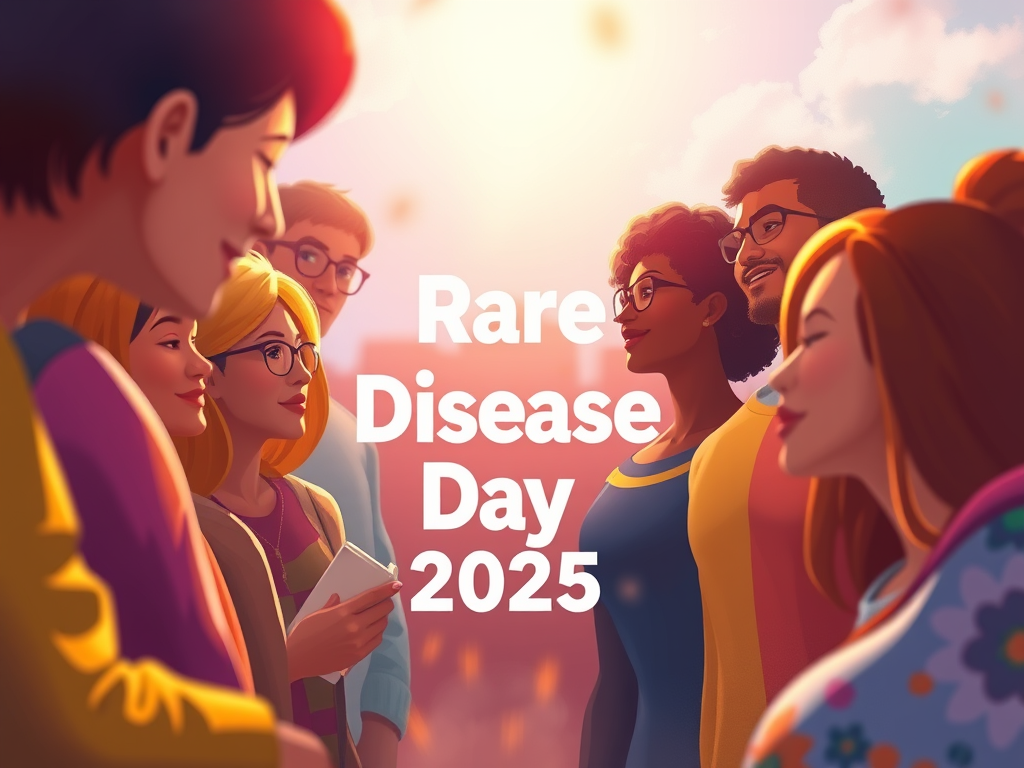

Every year on the last day of February, (which is sometimes on Leapcure’s birthday) the global community comes together to recognize Rare Disease Day, a vital initiative that raises awareness for the approximately 300 million people worldwide living with a rare disease. With more than 7,000 rare diseases identified, many of which lack effective treatments or research funding, this day serves as a powerful call to action for patients, caregivers, healthcare professionals, and advocates.
Understanding Rare Diseases
A rare disease is defined as a condition that affects a small percentage of the population. In the U.S., a disease is considered rare if it impacts fewer than 200,000 individuals at any given time. In the European Union, a disease is classified as rare if it affects fewer than 1 in 2,000 people. Despite their rarity, collectively, these conditions impact millions globally, making rare diseases a significant public health challenge.
Many rare diseases are genetic in origin, but others can be a result from infections, autoimmune disorders, or environmental factors. Some well-known rare diseases include Huntington’s Disease, Cystic Fibrosis, Muscular Dystrophy, and certain forms of cancer. However, because many of these conditions are unfamiliar to most healthcare providers, patients often experience a long diagnostic journey, sometimes waiting years before receiving an accurate diagnosis.
Why Rare Disease Day

Rare diseases often go undiagnosed or misdiagnosed due to limited research and awareness. Patients can face years-long diagnostic journeys, financial strain, and barriers to accessing the care they need. Rare Disease Day aims to:
- Elevate Patient Voices – Highlighting the unique challenges and resilience of those affected.
- Encourage Research & Innovation – Driving funding and interest in developing treatments.
- Advocate for Policy Change – Promoting legislation that ensures access to diagnosis, care, and therapies.
- Foster Global Collaboration – Uniting stakeholders from across the world to work toward solutions.
The Challenges Patients Face
Despite medical advancements, people living with rare diseases encounter numerous obstacles, including:
- Delayed Diagnosis – Many patients see multiple specialists before receiving a confirmed diagnosis.
- Limited Treatment Options – Over 90% of rare diseases lack an FDA-approved treatment.
- High Cost of Care – Medications and therapies for rare diseases are often expensive and difficult to access.
- Mental Health Struggles – The emotional toll of living with an uncertain prognosis can be overwhelming for both patients and caregivers.
How You Can Get Involved
1. Join Rare Disease Day Events
Participating in events is a great way to show your support. Check the official Rare Disease Day website for global and local events you can attend or support.
2. Share Stories on Social Media
Social media is a powerful tool for advocacy. Use the hashtags #RareDiseaseDay and #ShowYourStripes to raise awareness and amplify patient voices.
3. Support Advocacy Organizations
There are many organizations dedicated to improving the lives of those with rare diseases. Consider donating, volunteering, or spreading awareness about these groups:
- National Organization for Rare Disorders (NORD)
- Global Genes
- EURORDIS – Rare Diseases Europe
- Rare Disease Legislative Advocates (RDLA)
4. Encourage Clinical Trial Participation
Research and patient involvement are critical to advancing treatment options. Clinical trials help researchers better understand rare diseases and develop potential therapies. Learn more at Leapcure’s website to see how patient voices are shaping rare disease studies.
5. Advocate for Policy Changes
Legislation plays a crucial role in ensuring funding, research, and access to care for those with rare diseases. Reach out to your local representatives to support bills that prioritize rare disease research and funding. Organizations like Rare Disease Legislative Advocates make it easy to get involved in advocacy efforts.
Stories of Strength: The Faces Behind Rare Disease Day

Behind every rare disease statistic is a real person—a child, a parent, a friend—navigating the challenges of living with a rare condition. Personal stories help put a face to the fight for better awareness, treatment, and support. Many advocacy groups share patient testimonials to highlight the daily realities of rare diseases and inspire action.
If you or a loved one has a rare disease, consider sharing your story through social media, advocacy platforms, or patient organizations. Your voice matters and can help drive change.
The Power of Advocacy
Real change happens when voices unite. By supporting Rare Disease Day, you help drive awareness, funding, and innovation that can transform lives. Whether you are a patient, a caregiver, a researcher, or an advocate, your contribution matters in shaping a more inclusive and supportive future for rare disease communities.
Leapcure is committed to advancing diversity in clinical research through Equitable Clinical Trials, ensuring better representation for rare disease communities. To learn more about clinical studies, our mission, and the future of biotechnology, visit www.leapcure.com.



Leave a Reply