
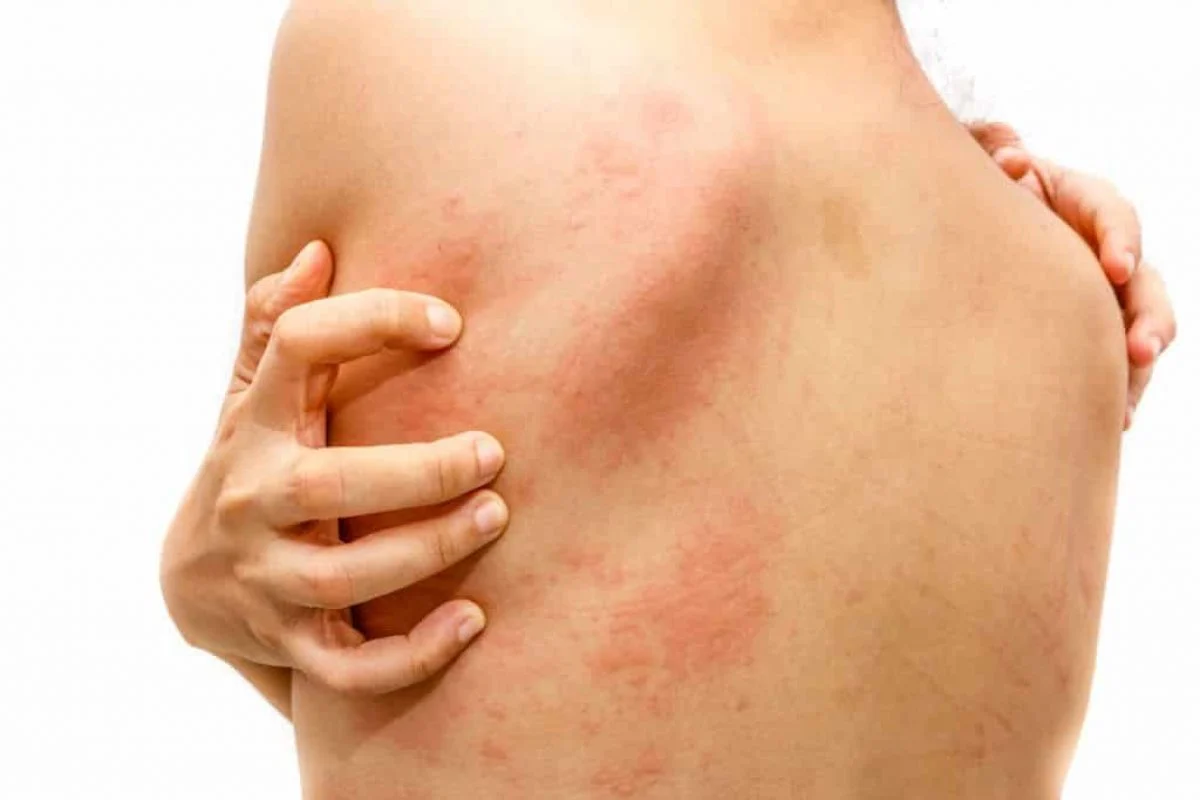
Prurigo Nodularis (PN) is a distressing skin condition that affects countless individuals worldwide. PN, characterized by intensely itchy nodules or papules on the skin, profoundly impacts the lives of those affected. PN can occur at any age but is more common in the elderly, according to the National Organization for Rare Disorders.
At Leapcure, we’re dedicated to empowering patients and advocates by providing a platform where they can find support and access reliable information. Explore our resources here to learn more about Prurigo Nodularis and join the conversation.
Symptoms of Prurigo Nodularis
Understanding the symptoms of Prurigo Nodularis is essential for both patients and healthcare providers. This condition presents with a range of physical and psychological symptoms that can significantly impact daily life.
Physical symptoms may include:
- Intensely itchy nodules or papules on the skin, typically located on the arms, legs, or trunk
- Skin lesions that may become thickened, crusted, or excoriated due to scratching
- Secondary skin changes, such as hyperpigmentation or scarring, resulting from chronic scratching
Psychological symptoms can include:
- Emotional distress, anxiety, or depression related to the chronic itch and its impact on daily functioning
- Impaired sleep quality and disruption of daily activities due to severe itching and discomfort
Causes of Prurigo Nodularis
While the exact causes of Prurigo Nodularis are not fully understood, several factors may contribute to its development. Chronic scratching or rubbing of the skin, underlying skin conditions such as eczema or dermatitis, and neurological or psychological factors are believed to play a role in the pathogenesis of PN.
Treatment and Management of Prurigo Nodularis
Managing Prurigo Nodularis requires a comprehensive approach tailored to each individual’s needs. While there is no cure for PN, various treatment options can help alleviate symptoms and improve quality of life.
- Topical treatments, such as corticosteroids or calcineurin inhibitors, may provide relief from itching and inflammation.
- Oral medications, including antihistamines, antidepressants, or immunosuppressants, may be prescribed to modulate itch and manage associated psychological symptoms.
- Phototherapy, such as narrowband ultraviolet B (UVB) therapy, may help reduce inflammation and itch in some individuals.
- Behavioral therapies, such as habit reversal training or cognitive-behavioral therapy (CBT), can assist individuals in managing the urge to scratch and coping with the psychological impact of Prurigo Nodularis.
Advocacy and Support for Prurigo Nodularis
In addition to treatment, advocating for Prurigo Nodularis awareness and support is crucial for building a supportive community and fostering resilience among those affected. Organizations such as the National Eczema Association (NEA) and the Skin of Color Society offer valuable resources, support, and advocacy initiatives for individuals living with Prurigo Nodularis.
By raising awareness, providing support, and advocating for research and improved treatment options, we can make strides in addressing the challenges of Prurigo Nodularis and enhancing the lives of those affected by this condition. If you are interested in participating in research for Prurigo Nodularis, visit our website here.

Leave a Reply