
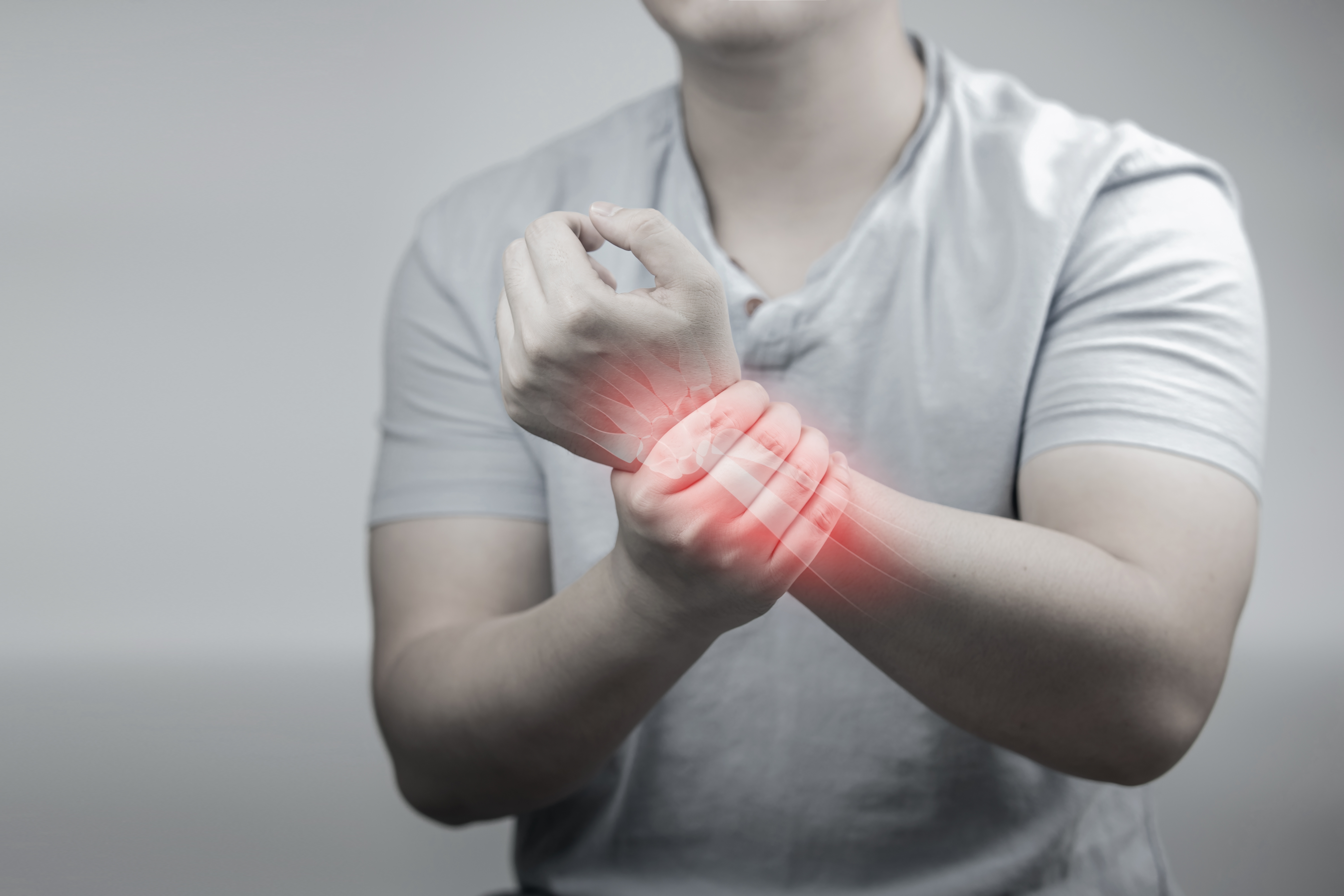
Dermatomyositis (DM) is a rare autoimmune disease affecting the skin and muscles, causing inflammation and weakness. Despite its rarity, it can have significant impacts on the lives of those affected by it. Shedding light on this condition is crucial to providing support and understanding for individuals dealing with dermatomyositis.
At Leapcure, we’re dedicated to empowering patients and their advocates by offering a platform filled with resources, including testimonials and connections to advocacy groups focused on dermatomyositis. Explore our website here to access this information.
What are common dermatomyositis symptoms?
Understanding the symptoms of dermatomyositis is key to early detection and effective management of the condition. DM presents with a variety of signs and symptoms that can affect both the skin and muscles.
Skin Symptoms:
- Rash, typically on the face, neck, shoulders, chest, and back
- Purple or red discoloration of the eyelids, often called heliotrope rash
- Red or violet-colored skin patches, known as Gottron’s papules, on the knuckles, elbows, or knees
- Nail abnormalities, such as thinning or ragged cuticles
Muscle Symptoms:
- Muscle weakness, especially in the hips, thighs, shoulders, and upper arms
- Difficulty rising from a seated position or lifting objects
- Fatigue and overall weakness
What causes dermatomyositis?
The exact cause of dermatomyositis is not fully understood, but it is believed to involve a combination of genetic, environmental, and immunological factors. Certain genetic variations may predispose individuals to develop dermatomyositis, while environmental triggers, such as infections or exposure to ultraviolet light, can activate the immune system and lead to inflammation.
Dermatomyositis Treatment
Treatment for dermatomyositis typically involves a multidisciplinary approach to manage symptoms and control inflammation. According to the National Center for Biotechnology Information (NCBI), with treatment, 20% of patients attain remission. Options may include:
Medications:
- Corticosteroids, such as prednisone, to reduce inflammation
- Immunosuppressive drugs, like methotrexate or azathioprine, suppress the immune system
- Antimalarial drugs, such as hydroxychloroquine, to help manage skin symptoms
Physical Therapy:
- Exercise programs designed to improve muscle strength and flexibility
- Occupational therapy to assist with activities of daily living
Lifestyle Changes:
- Sun protection measures to minimize skin symptoms
- Adequate rest and stress management techniques to alleviate fatigue
Dermatomyositis Support Groups
Connecting with others who understand the challenges of living with dermatomyositis can provide valuable emotional support and practical advice. Organizations such as the Myositis Association and the Autoimmune Association offer resources and support for individuals affected by this condition.
Understanding the causes, symptoms, and treatment options for dermatomyositis is essential for improving the quality of life for patients. Stay informed and explore current and future research options here.



Leave a Reply