
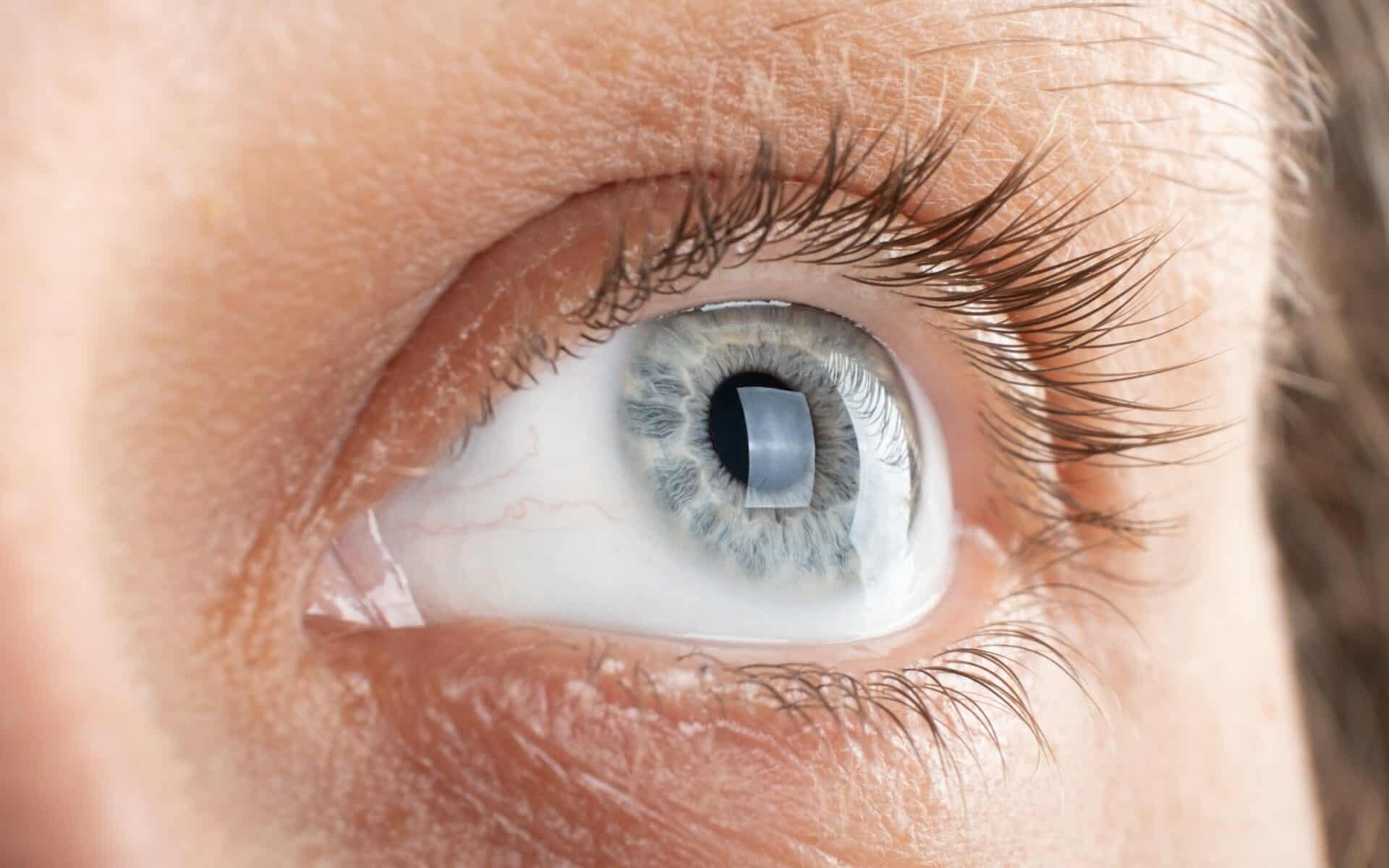
Corneal diseases are a group of eye conditions that affect millions of individuals worldwide, yet they often remain overlooked and misunderstood. According to the World Health Organization (WHO), corneal diseases are responsible for approximately 5% of global blindness cases. Despite their prevalence, there is a pressing need for increased awareness and support initiatives to empower those living with corneal diseases.
At Leapcure, we’re committed to providing resources and support for patients and advocates impacted by corneal diseases. Access resources and connect with others who understand your journey here.
Common Symptoms of Corneal Diseases
Recognizing the symptoms of corneal diseases is crucial for early detection and effective management. Corneal diseases can manifest through various visual and ocular symptoms, including:
- Blurred Vision: Corneal diseases can cause blurred or distorted vision, making it difficult to see objects clearly.
- Eye Pain: Some individuals with corneal diseases may experience eye pain or discomfort, especially when blinking or exposed to bright lights.
- Redness and Irritation: The cornea may appear red or inflamed, and individuals may experience itching, burning, or foreign body sensation in the eyes.
- Sensitivity to Light: Increased sensitivity to light, known as photophobia, is common in individuals with corneal diseases.
Causes of Corneal Diseases
Corneal diseases can have various underlying causes, including:
- Infections: Bacterial, viral, or fungal infections can lead to corneal inflammation and damage.
- Trauma: Injury to the cornea, such as scratches, cuts, or foreign objects entering the eye, can cause corneal diseases.
- Genetic Factors: Some corneal diseases, such as keratoconus, may have a genetic component, predisposing individuals to corneal abnormalities.
- Underlying Health Conditions: Certain systemic diseases, such as diabetes or autoimmune disorders, can affect the health of the cornea and contribute to the development of corneal diseases.
Common Corneal Diseases
Keratitis
Keratitis is inflammation of the cornea, often due to infections like bacteria, viruses, fungi, or parasites. Symptoms include eye pain, redness, blurred vision, light sensitivity, and discharge.
Corneal dystrophies
Corneal dystrophies are genetic disorders involving abnormal corneal tissue changes. Types include Fuchs’ endothelial, lattice, granular, and map-dot-fingerprint dystrophies. Symptoms vary but may include blurred vision, corneal opacity, and recurrent erosions.
Keratoconus
Keratoconus causes progressive thinning and bulging of the cornea into a cone shape, leading to blurred or distorted vision, light sensitivity, and frequent prescription changes. It may result in corneal scarring and vision loss if untreated.
Corneal ulcers
Corneal ulcers are open sores on the cornea, often from infections, trauma, or inadequate tear production. Symptoms include eye pain, redness, tearing, discharge, and blurred vision. Prompt treatment is crucial to prevent complications like corneal perforation.
Corneal abrasions are scratches on the cornea, often from foreign objects, contact lenses, or trauma. Symptoms include eye pain, redness, tearing, light sensitivity, and foreign body sensation. Most heal within days with treatment, but severe cases may need medical intervention.
Corneal scars
Corneal scars develop from injuries, infections, or surgeries damaging corneal tissue. They cause irregularities in the cornea’s shape and surface, leading to visual disturbances like blurred vision and glare. Treatment varies based on severity, from corrective lenses to corneal transplantation.
Treatment and Support for Corneal Diseases
While treatment options for corneal diseases depend on the specific condition and its underlying cause, several approaches may help manage symptoms and improve visual function:
Medications: Antibiotic, antiviral, or anti-inflammatory eye drops may be prescribed to treat corneal infections or inflammation.
- Corneal Transplantation: In advanced cases of corneal diseases, corneal transplantation surgery may be necessary to replace damaged or diseased corneal tissue.
- Contact Lenses: Specialty contact lenses, such as scleral lenses or rigid gas permeable lenses, may help improve vision and comfort in individuals with corneal irregularities.
- Visual Rehabilitation: Vision therapy or low vision aids may be recommended to help individuals maximize their remaining vision and adapt to changes in visual function.
Raising Awareness and Support for Corneal Diseases
For additional information and support regarding corneal diseases, you can visit organizations such as the Cornea Research Foundation of America and the American Academy of Ophthalmology.
Stay informed and explore opportunities to get involved in research and advocacy efforts here to advance our understanding and treatment of corneal diseases.



Leave a Reply