
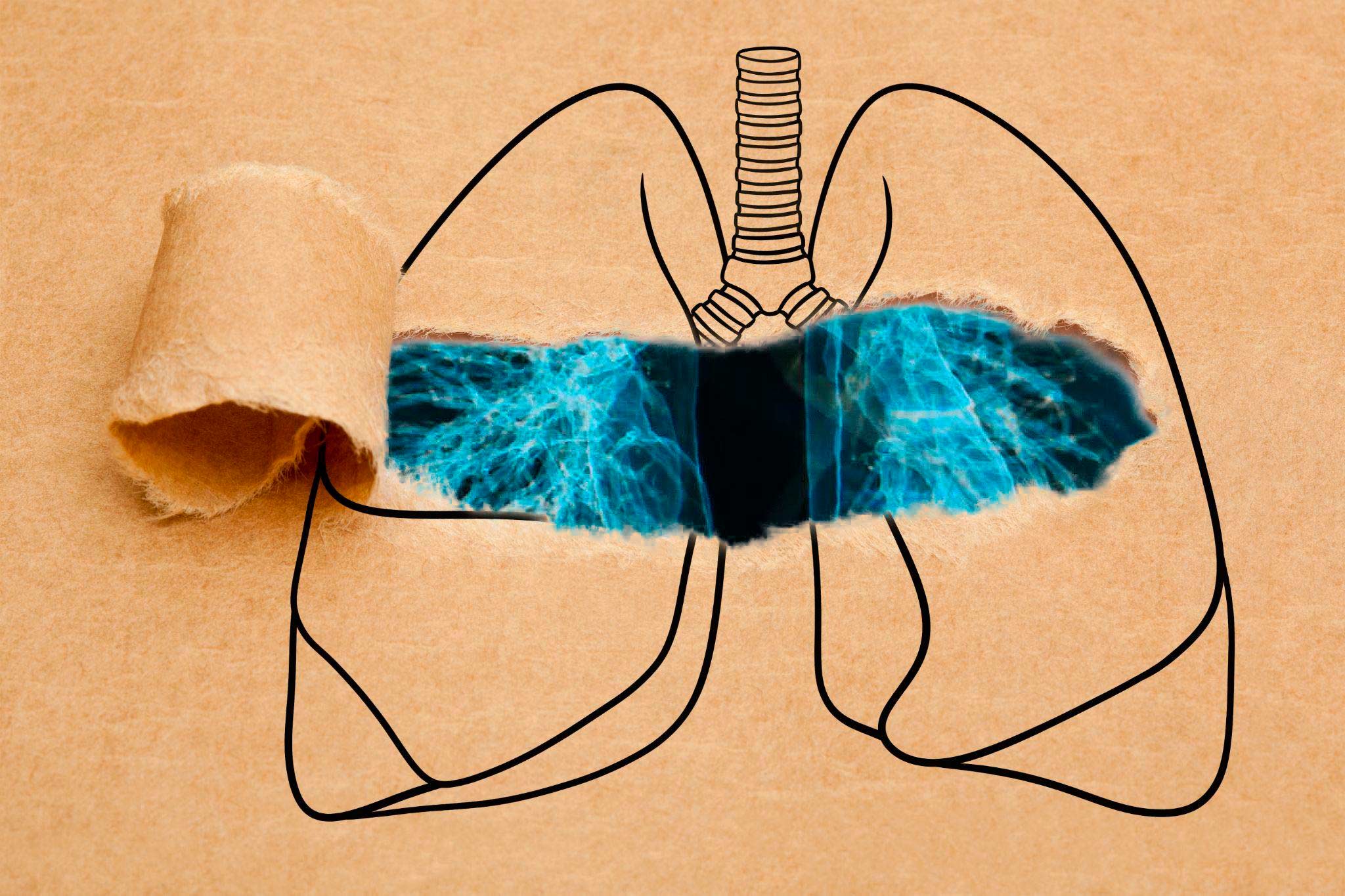
Chronic obstructive pulmonary disease (COPD), is an inflammatory lung condition that over 16 million adults in the US are currently suffering from. Emphysema and Bronchitis often coincide with COPD and commonly contribute to the severity and development of the condition. Smoking and asthma also increase the risk of developing COPD.
COPD obstructs normal breathing. It stops the air from moving freely in and out of the lungs, which can make daily life more difficult. Even everyday activities such as doing household tasks, walking, or simply maintaining energy throughout the day can become a struggle. The COPD Foundation is one great resource where you can find information, support communities, and ways to take action.
If you or someone you know might be interested in learning more about potential research opportunities for treating COPD, please check out Leapcure’s research registry here.
Who Treats COPD? And how is COPD treated?
- COPD is treated by pulmonologists.
- The first and foremost step in managing COPD is to quit all smoking. COPD is most common in individuals who are at least 40 years old, especially those with a history of smoking. The longer someone has smoked, the greater their risk of COPD. Even secondhand smoke can sometimes cause COPD.
- Some medications that exist for treating COPD include Bronchodilator inhalers, inhaled steroids, combination inhalers, oral steroids, Phosphodiesterase-4 inhibitors, Theophylline, and antibiotics. Some additional treatments include lung therapies and surgery.
When Does COPD Become Life-Threatening?
- COPD causes an increased risk of heart disease and lung cancer.
- COPD is terminal. Additionally, end-stage COPD, which is the most severe phase, often results in death. When a COPD patient’s breath exhalation falls below 30% of the normal amount, they are likely in end-stage COPD.
- COPD is a progressive disease that gets steadily worse over time, however, it is treatable. It is possible to reduce the risk of developing other associated conditions such as cancer and heart disease with proper treatment.
Understanding the different sides of COPD can help promote awareness, prevention, and research that may improve the lives of those affected by this condition. This article from copd.net sheds light on what life with COPD feels like, and the ways in which symptoms can interrupt daily living.
If you are currently suffering from COPD and would like to learn about upcoming clinical trials that you may qualify for, we invite you to explore our research registry here!

Leave a Reply