

As more people recover from COVID-19, the long-term impacts on the body have become more widely known. One of the more concerning conditions emerging in post-COVID patients is a form of dysautonomia called Postural Orthostatic Tachycardia Syndrome (POTS). While POTS has been a known condition for years, many are developing what is now called “Post-COVID POTS.” Reports suggest that 2% to 14% of COVID-19 survivors develop POTS, highlighting the significant impact of the virus on autonomic function. Understanding the key differences between Post-COVID POTS and traditional POTS is essential for effective diagnosis and treatment.
What is POTS?
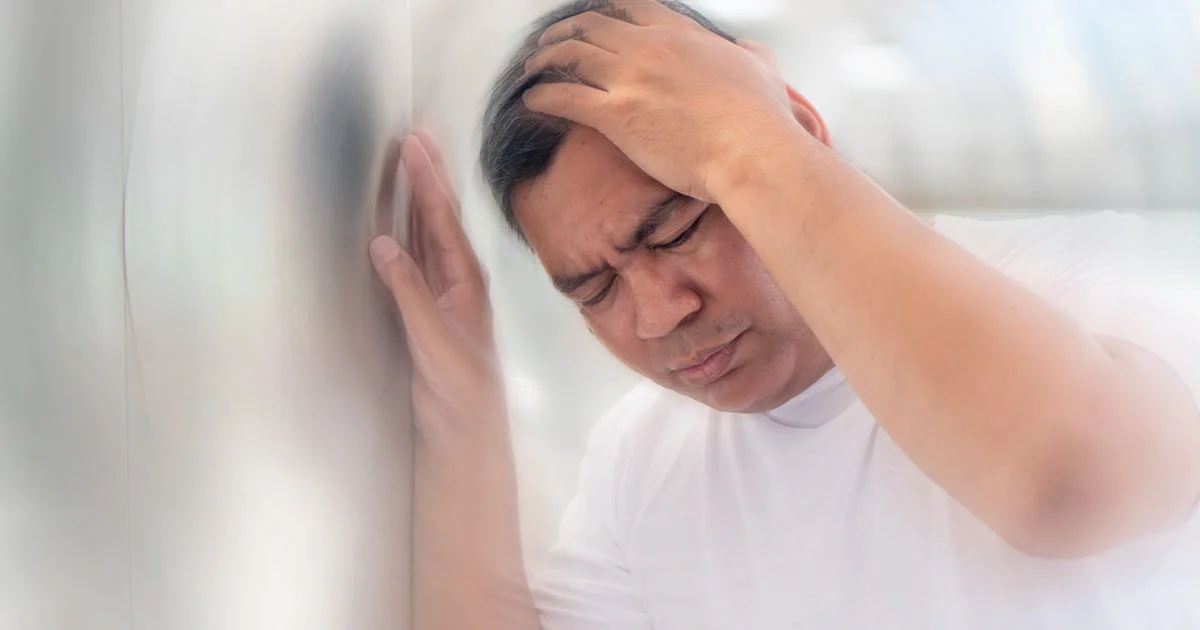
Postural Orthostatic Tachycardia Syndrome, or POTS, is a condition that affects the autonomic nervous system (ANS), which regulates involuntary bodily functions like heart rate, blood pressure, and digestion. People with POTS experience an abnormal increase in heart rate when they transition from sitting or lying down to standing up. This can cause symptoms such as dizziness, fainting, fatigue, and brain fog.
POTS can be triggered by various factors, including viral infections, surgery, or trauma, and it is most commonly diagnosed in women of childbearing age. The cause of traditional POTS is often unclear, and symptoms can vary widely among patients.
Understanding Post-COVID POTS
In the wake of the COVID-19 pandemic, a subset of people who have recovered from the virus are experiencing symptoms similar to POTS. This phenomenon is referred to as Post-COVID POTS, a part of the larger condition known as Long COVID or Post-Acute Sequelae of SARS-CoV-2 infection (PASC). Post-COVID POTS appears to affect a wide demographic, including people who were previously healthy and even those who experienced only mild COVID-19 symptoms.
Key Differences in Symptoms

While the core symptoms of both traditional POTS and Post-COVID POTS overlap significantly—especially in terms of heart rate irregularities and orthostatic intolerance—there are notable differences in symptom presentation:
- Onset and Trigger
- Traditional POTS: Often develops gradually and may be linked to multiple triggers, such as viral infections, autoimmune conditions, or physical trauma. For some patients, the cause remains unknown.
- Post-COVID POTS: Occurs specifically following a COVID-19 infection, sometimes even months after the initial illness. It often appears suddenly in individuals who may not have experienced POTS symptoms before their encounter with COVID-19.
- Fatigue and Malaise
- Traditional POTS: Fatigue is a common symptom, though it varies in severity. It may be influenced by comorbid conditions like chronic fatigue syndrome (CFS).
- Post-COVID POTS: Fatigue tends to be more profound and is often associated with post-exertional malaise (PEM), a worsening of symptoms after physical or mental activity that is more commonly seen in Long COVID patients.
- Brain Fog and Cognitive Issues
- Traditional POTS: Many patients experience brain fog, difficulty concentrating, and memory issues, though the intensity can differ widely.
- Post-COVID POTS: Cognitive impairment is often more pronounced in Post-COVID POTS patients, likely due to the broader neurological impact of the virus. Persistent brain fog is a defining feature of many Long COVID cases.
- Respiratory Symptoms
- Traditional POTS: Respiratory issues are less commonly reported, though some patients do experience shortness of breath or chest pain.
- Post-COVID POTS: Many Post-COVID POTS patients report lingering respiratory symptoms, such as shortness of breath and chest tightness, which may stem from residual lung damage caused by the virus.
- Gastrointestinal Symptoms
- Traditional POTS: Digestive issues, such as bloating, constipation, or nausea, are reported in some cases due to autonomic dysfunction.
- Post-COVID POTS: These gastrointestinal issues are frequently more severe, possibly linked to the inflammatory effects of the virus on the gut.
Key Differences in Treatment
Treating both traditional and Post-COVID POTS requires a multidisciplinary approach. However, due to differences in symptom severity and the underlying causes, treatment strategies may need to be tailored differently.
- Medication
- Traditional POTS: Medications like beta-blockers, fludrocortisone, and midodrine are often used to manage symptoms, especially to control heart rate and blood pressure.
- Post-COVID POTS: While these same medications may be used, doctors often incorporate additional treatments to address lingering COVID-19 symptoms, such as antivirals, anti-inflammatories, or treatments for specific Long COVID symptoms.
- Physical Therapy
- Traditional POTS: Gradual physical therapy focusing on building up tolerance to activity is often recommended to help patients manage orthostatic intolerance.
- Post-COVID POTS: Physical therapy must be approached cautiously, as Post-COVID POTS patients are more prone to post-exertional malaise. Pacing and energy management strategies are critical to avoid worsening symptoms.
- Lifestyle Adjustments
- Traditional POTS: Patients are often advised to increase fluid and salt intake to help regulate blood pressure, as well as to wear compression garments.
- Post-COVID POTS: In addition to the typical lifestyle adjustments, Post-COVID POTS patients may need to manage other Long COVID symptoms, such as insomnia or chronic pain, with tailored strategies.
- Focus on Rehabilitation
- Traditional POTS: Rehabilitation focuses on autonomic retraining, symptom control, and improving quality of life.
- Post-COVID POTS: A broader rehabilitation plan is often necessary due to the multi-system effects of COVID-19, including addressing respiratory function, cognitive recovery, and immune health.
Conclusion
While traditional POTS and Post-COVID POTS share many commonalities, the distinction lies in their triggers and the wider range of symptoms seen in Post-COVID POTS patients. As our understanding of Long COVID evolves, so too will the approaches to treating Post-COVID POTS, requiring a specialized, patient-centered approach to care. Visit our website here for additional POTS resources and clinical trial opportunities.


Leave a Reply