
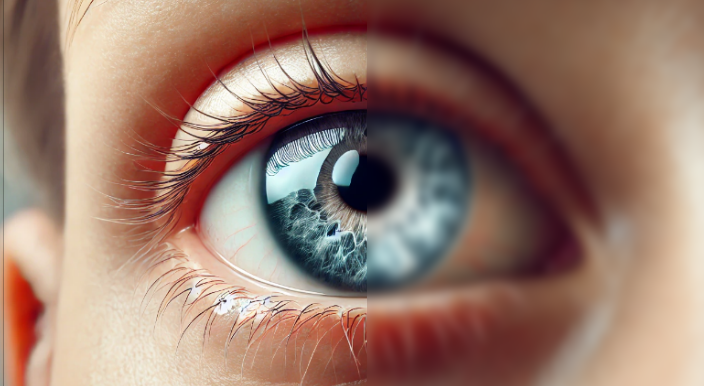

Fuchs’ dystrophy is a progressive eye condition that primarily affects the cornea, the transparent front surface of the eye. As it advances, it can lead to blurred vision, discomfort, and, in severe cases, significant vision loss. Though the condition is relatively rare, it is estimated to affect approximately 4% of people over 40 in the United States. Understanding its key symptoms, stages of progression, and diagnostic process can clarify how Fuchs’ dystrophy develops over time.
What is Fuchs’ Dystrophy?
Fuchs’ dystrophy is a degenerative disorder of the corneal endothelium, the innermost layer of cells in the cornea. These endothelial cells are essential for maintaining the clarity of the cornea by regulating fluid balance. In people with Fuchs’ dystrophy, these cells gradually deteriorate or die off, causing fluid to accumulate in the cornea. As a result, the cornea swells and becomes cloudy, leading to vision problems.
Key Symptoms of Fuchs’ Dystrophy
Symptoms of Fuchs’ dystrophy typically develop gradually and can vary depending on the stage of the disease. Early on, people may not notice significant changes in their vision, but as the condition progresses, symptoms become more apparent. Some of the most common symptoms include:
- Blurred or hazy vision: This is often one of the first noticeable signs, particularly in the morning, as fluid builds up in the cornea overnight. Vision may clear up as the day goes on, but this improvement tends to diminish over time.
- Sensitivity to light (photophobia): As the cornea becomes swollen and cloudy, sensitivity to light often increases, making it uncomfortable to be in bright environments.
- Glare or halos around lights: People with Fuchs’ dystrophy may notice glare or halos, particularly when driving at night or in dim lighting.
- Eye discomfort or pain: In more advanced stages, small blisters (epithelial bullae) can form on the surface of the cornea. These blisters may rupture, causing pain or a sensation of grittiness in the eyes.
Stages of Fuchs’ Dystrophy
Fuchs’ dystrophy is typically divided into two stages: early and late.
- Early-stage Fuchs’ dystrophy: In the early stages, endothelial cells begin to deteriorate, but symptoms are often mild. Blurred vision may occur, particularly in the morning, but the cornea typically remains relatively clear. People in this stage may not be aware they have the condition unless diagnosed during a routine eye exam.
- Late-stage Fuchs’ dystrophy: As the disease progresses, more endothelial cells are lost, and the corneal swelling (edema) worsens. Vision becomes consistently blurred, and the eye may become painful as fluid continues to accumulate. In severe cases, scarring can occur, leading to permanent vision loss.
How is Fuchs’ Dystrophy Diagnosed?
Diagnosing Fuchs’ dystrophy usually begins with a comprehensive eye exam. An ophthalmologist will evaluate the patient’s medical history, symptoms, and perform several tests to assess the health of the cornea. Some common diagnostic techniques include:
- Slit-lamp examination: This is one of the most common methods for diagnosing Fuchs’ dystrophy. During this exam, a special microscope (slit lamp) is used to examine the cornea. The doctor looks for tiny bumps on the endothelial layer called “guttae,” which are often an early sign of the condition.
- Corneal thickness measurement (pachymetry): This test measures the thickness of the cornea. In people with Fuchs’ dystrophy, the cornea may be thicker than normal due to swelling caused by fluid buildup.
- Specular microscopy: This test captures detailed images of the endothelial cells to assess their number and condition. A decrease in endothelial cell density is a hallmark of Fuchs’ dystrophy.
Support Groups for Fuchs’ Dystrophy
Many organizations, both online and in person, offer support for people affected by Fuchs’ dystrophy. These groups often provide educational resources, updates on the latest research, and emotional support for patients and their families. Joining a support group can help individuals better understand their condition, learn practical coping strategies, and connect with others who are going through similar experiences.
Some options for Fuchs’ dystrophy support include:
- Fuchs’ Friends: An online community where individuals with Fuchs’ dystrophy can share their experiences and seek advice from others managing the same condition. The group also offers information on new treatments and coping strategies.
- The Cornea Research Foundation of America: This foundation provides not only resources for research and treatment options but also hosts a patient community where individuals can connect and share their journeys.
- Facebook Support Groups: There are several active Facebook groups dedicated to Fuchs’ dystrophy where members exchange information, share their stories, and provide encouragement.
Visit our website here for additional resources and support.
The Outlook for Fuchs’ Dystrophy
While Fuchs’ dystrophy is a progressive disease, the rate of progression varies widely between individuals. Early detection and regular monitoring can help manage symptoms and slow the progression of the disease. In more advanced cases, treatment options such as medications or surgical interventions like corneal transplants may be considered.For those affected by Fuchs’ dystrophy, understanding the condition’s symptoms, stages, and diagnostic process can empower them to make informed decisions about their eye health. Ongoing research continues to explore new treatments and ways to improve outcomes for people living with this condition. If you are interested in Fuchs’ Dystrophy clinical trials, visit our website here.



Leave a Reply