
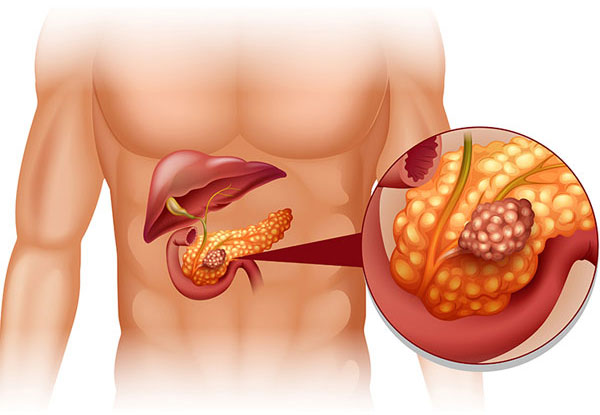
Pancreatitis is a painful and potentially serious condition that affects millions of individuals worldwide. According to the Cleveland Clinic, In the U.S., acute pancreatitis leads to 275,000 hospital stays per year whereas Chronic pancreatitis is less common and leads to 86,000 hospital stays per year. Despite its prevalence, pancreatitis remains relatively misunderstood by many. By increasing awareness and support for those affected by pancreatitis, we can make a positive impact on their lives.
At Leapcure, we’re dedicated to providing resources and support for patients and advocates impacted by pancreatitis. Join us in our mission to raise awareness and empower those living with pancreatitis by accessing helpful resources and connecting with others who understand your journey here.
Common Symptoms of Pancreatitis
Recognizing the symptoms of pancreatitis is crucial for early detection and effective management. Pancreatitis presents a range of symptoms that can vary in severity and duration:
- Abdominal Pain: Severe, persistent pain in the upper abdomen is a hallmark symptom of pancreatitis. The pain may radiate to the back and worsen after eating.
- Nausea and Vomiting: Pancreatitis can cause nausea and vomiting, particularly after meals or when lying flat.
- Fever and Rapid Pulse: Inflammation of the pancreas can lead to fever and an increased heart rate.
- Digestive Issues: Pancreatitis may cause digestive problems such as diarrhea, bloating, and indigestion.
Causes of Pancreatitis
Pancreatitis can be acute or chronic and may be caused by various factors, including:
- Gallstones: One of the most common causes of pancreatitis is gallstones, which can block the pancreatic duct and trigger inflammation.
- Alcohol Consumption: Chronic alcohol abuse is another significant risk factor for pancreatitis, as alcohol can damage the pancreas and lead to inflammation.
- Trauma: Injury to the abdomen, such as a car accident or physical trauma, can cause pancreatitis.
- Genetic Factors: In some cases, genetic mutations or disorders may predispose individuals to pancreatitis.
Treatment and Support for Pancreatitis
While there is no cure for pancreatitis, several treatment options and supportive measures can help manage symptoms and improve quality of life:
- Pain Management: Medications, such as analgesics and anti-inflammatory drugs, can help alleviate pain associated with pancreatitis.
- Fluid and Nutritional Support: In severe cases of pancreatitis, intravenous fluids and nutritional support may be necessary to prevent dehydration and malnutrition.
- Lifestyle Changes: Adopting a healthy lifestyle, including abstaining from alcohol, maintaining a balanced diet, and quitting smoking, can help prevent recurrent pancreatitis episodes.
- Surgical Interventions: In some cases, surgical procedures may be necessary to remove gallstones or treat complications of pancreatitis.
Raising Awareness and Support for Pancreatitis
Increasing awareness and understanding of pancreatitis is essential for fostering a supportive community and improving the lives of those affected by this condition. For additional information and support regarding pancreatitis, you can visit organizations such as the National Pancreas Foundation and the American Pancreatic Association.
Stay informed and explore opportunities to get involved in research and advocacy efforts to advance our understanding and treatment of pancreatitis here.



Leave a Reply