
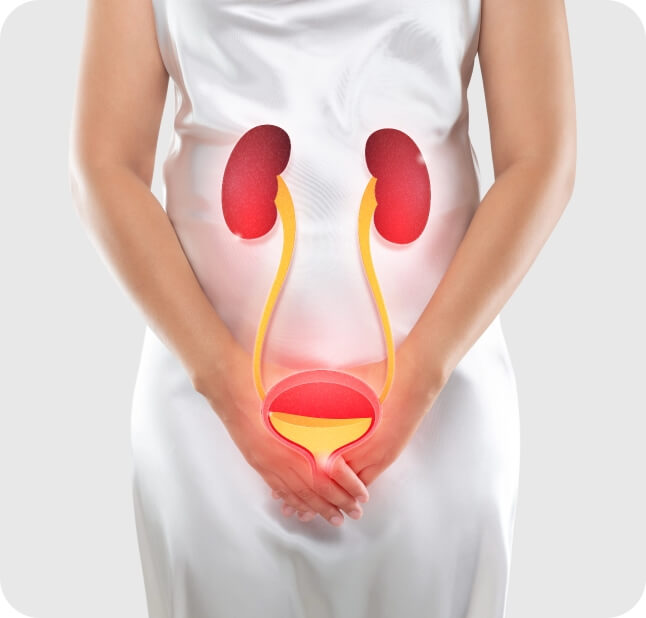
Neurogenic Detrusor Overactivity (NDO) is a complex urinary bladder dysfunction that affects individuals living with neurological conditions. Despite its significant impact on quality of life, NDO remains relatively unknown to many. By shedding light on this condition, we can increase awareness and support for those navigating life with NDO.
At Leapcure, we’re committed to providing resources and support for individuals and their advocates affected by NDO. Join us in our mission to empower and educate by accessing information and connecting with others who understand your journey here.
Common Symptoms of NDO
Recognizing the symptoms of Neurogenic Detrusor Overactivity is crucial for early diagnosis and effective management. NDO can manifest through various urinary symptoms, including:
- Urinary Urgency: Individuals with NDO may experience a sudden and intense urge to urinate, often leading to urgency incontinence.
- Frequency: Increased frequency of urination, including nocturia (waking up to urinate at night), is common in NDO.
- Urge Incontinence: Involuntary loss of urine associated with the urgent need to urinate is a hallmark symptom of NDO.
- Incomplete Emptying: Despite frequent urination, individuals with NDO may feel that their bladder is not fully emptying, leading to discomfort or urinary retention.
Causes of NDO
Neurogenic Detrusor Overactivity occurs as a result of neurological dysfunction that disrupts the normal coordination between the bladder and the central nervous system. Common underlying causes of NDO include:
- Spinal Cord Injury: Traumatic or non-traumatic spinal cord injuries can disrupt nerve signals between the bladder and the brain, leading to NDO.
- Multiple Sclerosis (MS): MS is a neurological condition that can affect nerve pathways involved in bladder control, resulting in NDO.
- Parkinson’s Disease: Neurological disorders such as Parkinson’s disease can impact the coordination of bladder muscles, leading to NDO symptoms.
- Stroke: Damage to areas of the brain responsible for bladder control can occur as a result of stroke, leading to NDO.
Treatment and Support for NDO
While there is no cure for Neurogenic Detrusor Overactivity, several treatment options and supportive measures can help manage symptoms and improve quality of life:
- Medications: Anticholinergic medications, such as oxybutynin or tolterodine, can help relax the bladder muscle and reduce urgency and incontinence in NDO.
- Botulinum Toxin Injections: Injections of botulinum toxin directly into the bladder muscle can temporarily paralyze muscle contractions, reducing NDO symptoms.
- Intermittent Catheterization: Regularly emptying the bladder using intermittent catheterization can help prevent urinary retention and reduce the risk of urinary tract infections in individuals with NDO.
- Surgical Procedures: In some cases, surgical interventions such as bladder augmentation or urinary diversion may be considered for individuals with severe NDO that does not respond to other treatments.
- Emotional Support: Joining support groups, participating in counseling, and connecting with others affected by NDO can provide valuable emotional support and encouragement.
Raising Awareness and Support for NDO
For additional information and support regarding Neurogenic Detrusor Overactivity (NDO), you can visit organizations such as the National Association for Continence (NAFC) and the Christopher & Dana Reeve Foundation.
Stay informed and explore opportunities to get involved in research and advocacy efforts to advance our understanding and treatment of NDO here.


Leave a Reply