
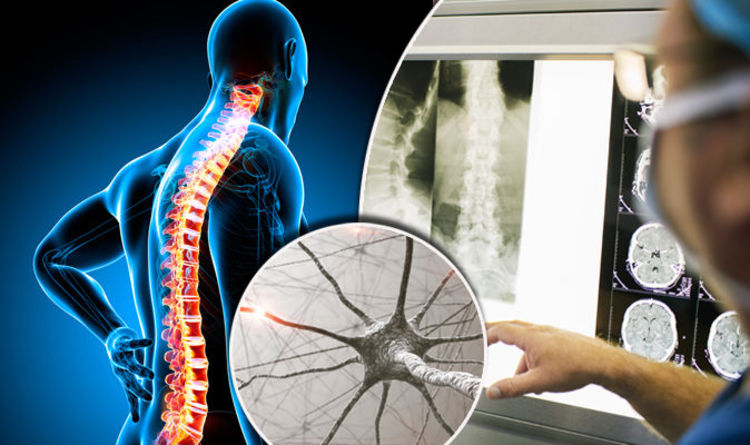
Motor Neuron Disease (MND), a group of progressive neurological disorders that affect motor neurons in the brain and spinal cord, affects many people around the world. MND can impact individuals of various backgrounds, genders, and ages. According to Motor Neuron Disease New Zealand, approximately 2 in every 100,000 people have MND. By bringing attention to Motor Neuron Disease, we can work towards improving the lives of individuals living with this illness and advancing our collective efforts to combat it.
At Leapcure, we strive to empower patients and advocates by providing a platform with valuable resources and connections to MND advocacy groups. Join our community here to access information, support, and the latest updates on MND research.
Understanding Motor Neuron Disease: Recognizing Symptoms and Challenges
Motor Neuron Disease encompasses various subtypes, including Amyotrophic Lateral Sclerosis (ALS), Primary Lateral Sclerosis (PLS), and Progressive Muscular Atrophy (PMA), each presenting unique challenges and symptoms:
Muscle Weakness: Progressive muscle weakness and atrophy are common features of MND, affecting voluntary movements such as walking, speaking, and swallowing.
Muscle Spasticity: Some individuals with MND may experience muscle stiffness and spasticity, leading to difficulties in movement and coordination.
Respiratory Complications: As MND progresses, respiratory muscles may weaken, resulting in breathing difficulties and an increased risk of respiratory infections.
Cognitive Changes: In some cases, MND may be associated with changes in cognitive function, including difficulties with memory, decision-making, and language.
Exploring Treatment Options for Motor Neuron Disease
While there is currently no cure for MND, various treatment modalities aim to alleviate symptoms, improve quality of life, and slow disease progression:
Medications
Certain medications, such as riluzole and edaravone, may help slow the progression of ALS and improve survival in some individuals.
Supportive Care
Symptomatic treatments, including physical therapy, occupational therapy, and speech therapy, can help manage symptoms and optimize function.
Assistive Devices
Mobility aids, communication devices, and respiratory support equipment can enhance independence and quality of life for individuals with MND.
Clinical Trials
Participation in clinical trials offers individuals with MND access to cutting-edge treatments and contributes to the advancement of scientific knowledge.
Advocating for MND Awareness and Support
Raising awareness about Motor Neuron Disease is crucial for improving diagnosis, treatment, and support for affected individuals and their families. Organizations such as the ALS Association, MND Association, and International Alliance of ALS/MND Associations play essential roles in advocacy, education, and research.
If you’re interested in furthering your understanding of motor neuron disease or discovering research opportunities, we encourage you to join MND research registry here to delve deeper into this field.


Leave a Reply